Background
Dynabook,India, a subsidiary of the global leader in business laptops, Dynabook, is committed to delivering innovative computing solutions to professionals across various industries. Known formerly as Toshiba PC Company, the company underwent a rebranding to Dynabook, highlighting its dedication to continuous innovation and excellence.
Focusing on enhancing work efficiency and productivity, Dynabook India provides a suite of laptops renowned for their quality, reliability, and smart design. These laptops are tailored to meet the multifaceted needs of contemporary businesses, offering a perfect amalgamation of performance, robustness, and cutting-edge features.
Dynabook India’s primary market is the B2B sector in India, particularly emphasising securing bulk orders and engaging decision-makers across different industries. By grasping the distinct requirements of businesses, Dynabook India strives to deliver solutions that not only meet but exceed expectations, thereby fostering the success of its clientele.
Digital Marketing Journey
Titan has been at the helm of managing Dynabook India’s social media profiles and steering its organic social media marketing initiatives. Following Titan’s fruitful endeavours, Dynabook India sought to broaden its digital footprint through paid marketing strategies. As an initial move, Titan proposed the creation of a website for Indian Operations, which was also conceptualised and executed by Titan. Post the website’s launch, the focus pivoted to launching digital marketing campaigns aimed at amplifying Dynabook India’s online presence and engagement.
The Challenge
Dynabook India’s operations are exclusively concentrated on the B2B domain. Consequently, one of the significant challenges in marketing for Dynabook India was the keyword “laptop,” predominantly searched by B2C consumers.Considering the overlap between B2C customers and the B2B audience that Dynabook India targets, it was impractical to entirely exclude such keywords or the B2C segment. The crux of the challenge was to strike a delicate balance between employing pertinent keywords to draw B2B traffic and capturing the attention of relevant B2C customers who form a part of the B2B demographic.
Titan's Strategies
After analysing the requirements, Titan suggested utilising the Google Ads platform in conjunction with LinkedIn for
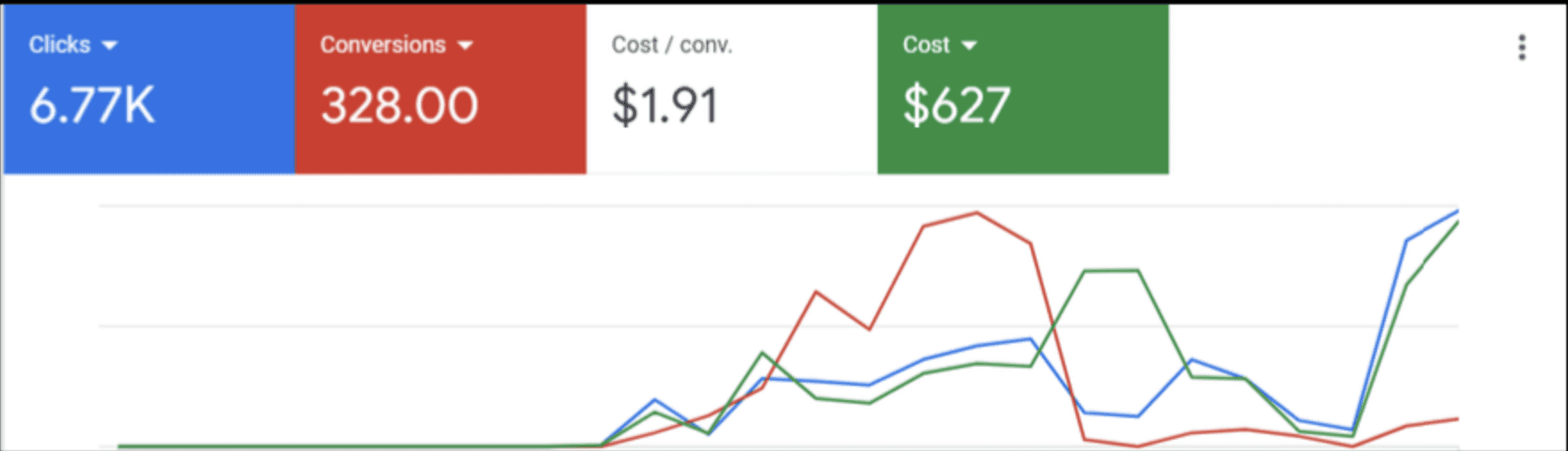
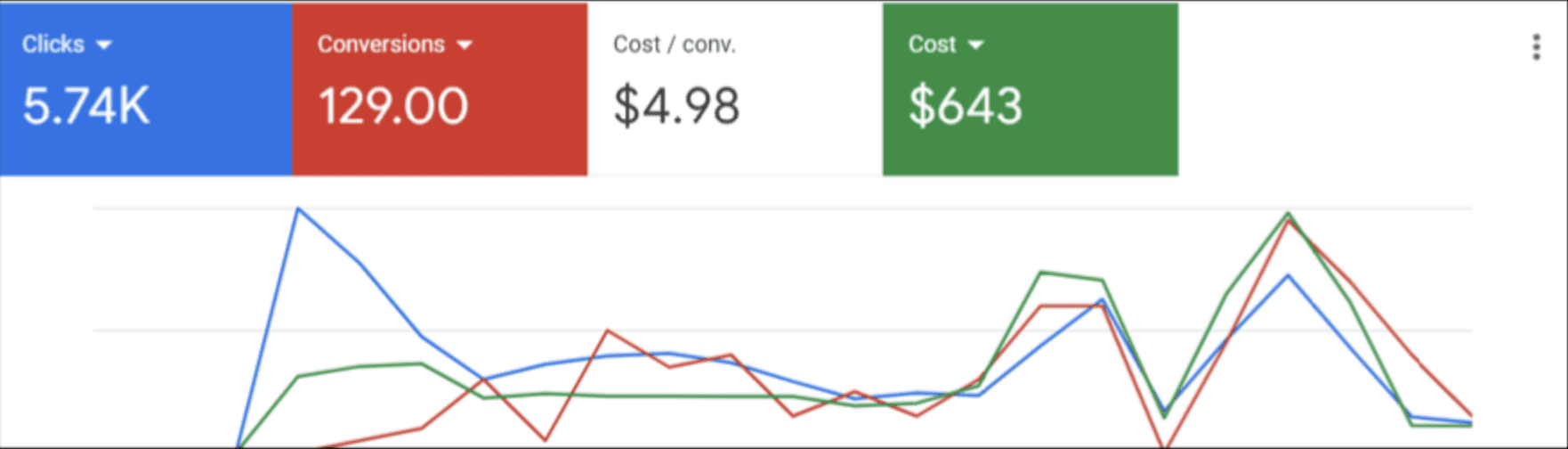
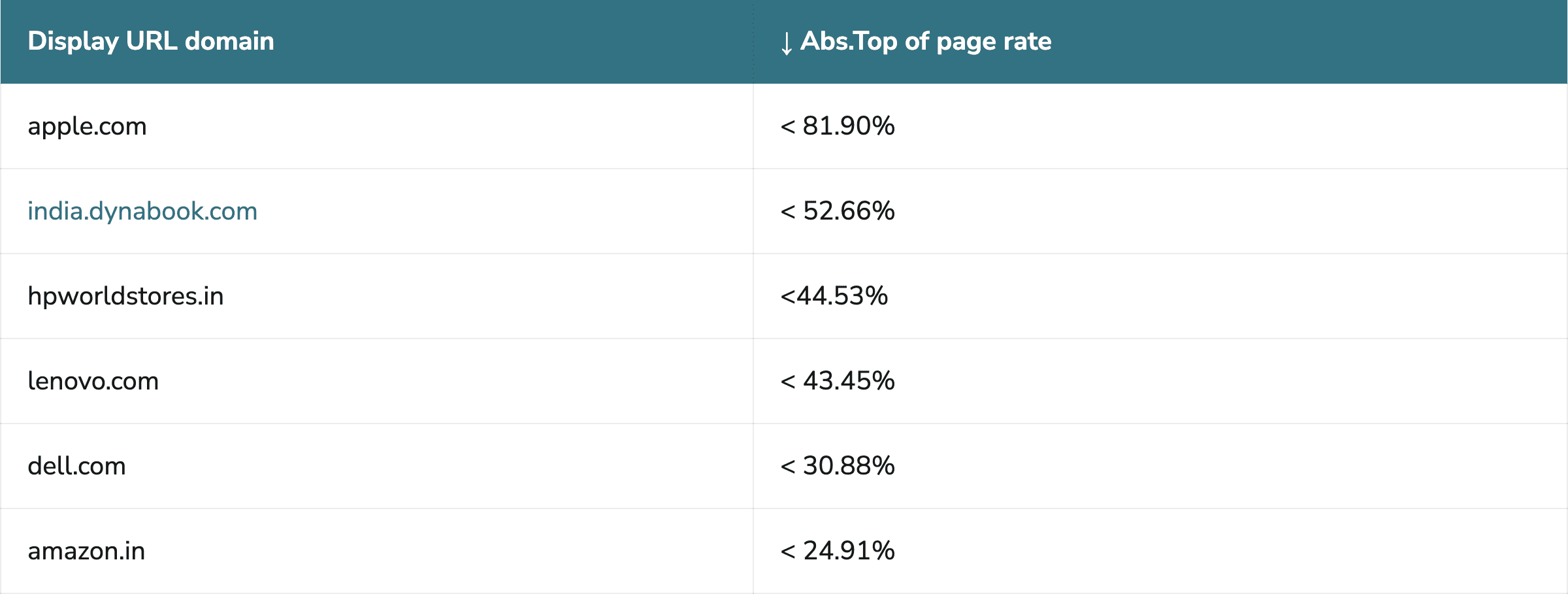
advertising purposes. We tried youtube, search and display ads for Dynabook.
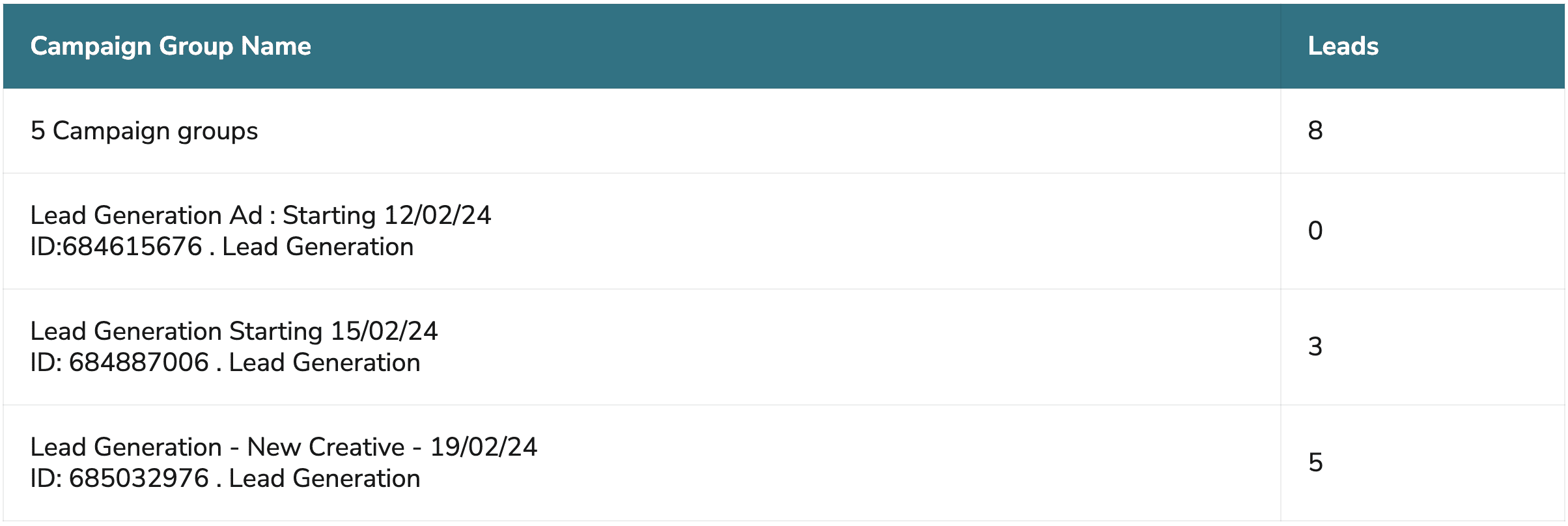
- Keyword Analysis and Ad Copy: Titan conducted an initial keyword analysis and adjusted the ad copy to effectively target B2B customers. And for LinkedIn, we prepared 3 different creatives to test the effectiveness.
- Negative Keyword Strategy: Over 2000 irrelevant search terms leading to clicks were identified and added to the negative keyword list.
- Criteria for Negative Keywords: The main criteria for adding search terms to the negative keyword list were:
Low budget
Terms indicating searches for low-cost or budget-friendly laptops were added.
Personal use
Terms indicating searches for personal use laptops, rather than business or professional use, were added.
Gaming laptops
Terms related to gaming laptops were excluded to focus on business-oriented searches.
School and college students
Terms indicating searches by students, who were not part of the B2B target audience, were excluded.