
Top Benefits of Microsoft Fabric for Businesses in UAE
UAE Businesses Are Expanding Fast — But Their Data Systems Often Don’t Grow the Same Way
A lot of companies in the UAE are growing in ways that would have taken years in other markets.
- Retail brands are opening new channels quickly.
- Logistics companies are handling larger operations.
- Healthcare groups are dealing with more patient data than ever.
- Mid sized businesses lean on digital systems for day to day work
Growth is happening everywhere.
But behind that growth, many companies are quietly dealing with another problem.
Their information is scattered.
Sales data sits in one platform. Finance uses something different. Marketing pulls reports from multiple tools. Operations teams track performance somewhere else entirely.
First, businesses manage it.
Then reporting becomes slower. Numbers stop matching across departments. Teams spend more time checking spreadsheets than making decisions from them.
That’s one reason conversations around microsoft fabric study uae have increased so much recently.
Companies here are no longer looking for more software.
They’re looking for fewer systems that actually work together properly.
Before Talking About the Benefits, It Helps to Understand What Microsoft Fabric Actually Is
A lot of people hear the term “Microsoft Fabric” without fully knowing what it does.
It’s not just a dashboard tool.
And it’s not only for technical teams.
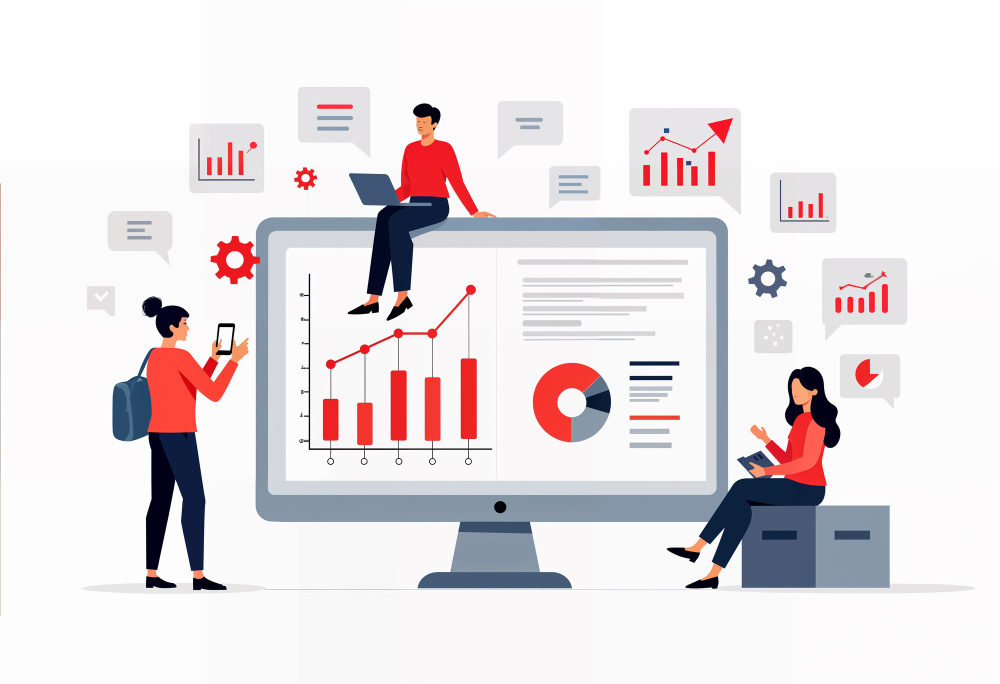
Microsoft Fabric is a unified data and analytics platform built by Microsoft.
In simple terms, it brings together:
- analytics
- reporting
- business intelligence
- data engineering
- data science
- real-time monitoring
inside one connected environment.
Normally, businesses use separate systems for all these things. One platform stores data, another handles dashboards, another supports analytics.
Microsoft Fabric combines those layers together.
That’s why many companies exploring microsoft fabric study uae solutions are interested in it. The platform reduces complexity instead of adding more systems on top of existing ones.
And honestly, that simplification is becoming extremely important for UAE businesses trying to scale without creating reporting chaos internally.
Why Businesses in UAE Are Paying More Attention to Unified Data Platforms
The UAE market moves quickly.
Companies don’t always have weeks to wait for reports anymore.
Leadership teams want visibility while things are happening — not after someone manually prepares presentations at the end of the month.
That shift has changed how businesses think about analytics completely.
For example:
- retail companies need faster inventory visibility
- finance teams need real-time forecasting
- logistics businesses monitor operational movement continuously
- healthcare providers track service efficiency daily
The speed of decision-making has increased.
But many reporting systems still move slowly because information sits in disconnected platforms.
This is something discussed often in many best microsoft fabric study uae examples, especially among growing organizations dealing with fragmented reporting environments.
The issue is not lack of data.
It’s the time and effort required to make sense of it.
Microsoft Fabric Helps Businesses Reduce Reporting Complexity
One practical advantage businesses notice early is operational simplicity.
Without a unified platform, teams often move data manually between systems:
- exporting spreadsheets
- cleaning reports
- reconciling numbers
- checking inconsistencies
That process quietly consumes time every single week.
Microsoft Fabric changes that workflow by creating one connected ecosystem where information moves more smoothly between analytics and reporting layers.
This reduces:
- duplicated reporting
- disconnected dashboards
- manual reconciliation work
- reporting delays
A lot of observations shared through microsoft fabric case study uae implementations highlight how businesses improve reporting speed simply by centralizing systems that previously operated separately.
And usually, teams feel the difference quite quickly.
Faster Insights Change the Way Businesses Operate
Most traditional reports explain what already happened.
Modern businesses need something more immediate than that.
If customer behavior changes suddenly, businesses want visibility early.
If operational delays begin increasing, teams need to notice before the issue becomes expensive.
If sales performance drops in one area, leadership wants answers immediately.
Microsoft Fabric supports real-time analytics, which helps businesses react earlier instead of waiting for delayed reports.
That responsiveness matters heavily in UAE markets where competition moves fast and expectations are high.
This is one reason many organizations featured in microsoft fabric study uae discussions focus strongly on faster insights as a major advantage.
When teams notice problems earlier, fixing them becomes much easier

Teams Work Better When Everyone Sees the Same Information
One issue growing companies rarely mention openly is reporting confusion between departments.
Marketing has one version of the numbers.
Finance has another.
Operations tracks something slightly different.
Eventually, meetings become discussions about which report is accurate instead of discussions about strategy.
Microsoft Fabric helps reduce that problem because departments work from one connected data environment instead of isolated systems.
Several best microsoft fabric study uae examples mention this specifically — collaboration improves naturally once teams stop working from disconnected datasets.
That alignment becomes increasingly valuable as organizations grow larger.
Microsoft Fabric Supports Both Technical and Business Users
Some analytics platforms become too technical for everyday business teams.
That creates another problem.
Technical teams understand the infrastructure, but leadership and operational departments struggle to use the reporting comfortably.
Microsoft Fabric attempts to balance both sides.
Technical teams can still manage:
- pipelines
- integrations
- transformations
- governance
while business teams access dashboards and reporting in a simpler format.
This flexibility is one reason businesses exploring microsoft fabric case study uae implementations often see better adoption across departments instead of analytics becoming isolated within IT teams only.
The platform becomes more usable across the business as a whole.
Long-Term Scalability Matters More Than Most Businesses Expect
What works for a smaller organization often becomes difficult once the company expands.
More departments create more reporting layers.
More systems create more integration requirements.
More data creates more operational pressure.
Microsoft Fabric is designed to scale alongside business growth rather than forcing companies to rebuild reporting structures every few years.
That scalability appears often across microsoft fabric study uae discussions involving enterprise and mid-sized businesses planning long-term digital transformation strategies.
Companies want systems they can continue growing with — not systems they constantly outgrow.
How Titan Analytics Helps Businesses Use Microsoft Fabric More Effectively
Technology by itself rarely fixes reporting problems.
Implementation matters just as much.
A platform should simplify operations, not overwhelm teams with unnecessary technical complexity.
Titan Analytics helps businesses structure Microsoft Fabric environments in a more practical way by focusing on:
- centralized reporting
- connected analytics workflows
- business-friendly dashboards
- scalable reporting systems
- simplified visibility across departments
The goal is not simply building dashboards.
It’s helping businesses reduce confusion around reporting and improve visibility across the organization.
And honestly, for many companies, that operational clarity becomes more valuable than the technology itself.
Final thought
Businesses across the UAE are generating more information than ever before.
But disconnected systems make that information harder to use effectively.
That’s exactly why interest around Microsoft fabric study uae continues growing.
Microsoft Fabric helps businesses:
- centralize analytics
- simplify reporting
- improve collaboration
- reduce operational complexity
- speed up decision-making
And once reporting becomes easier to trust, businesses stop spending time trying to reconcile numbers and start focusing more on growth itself.
That shift changes how organizations operate day to day.